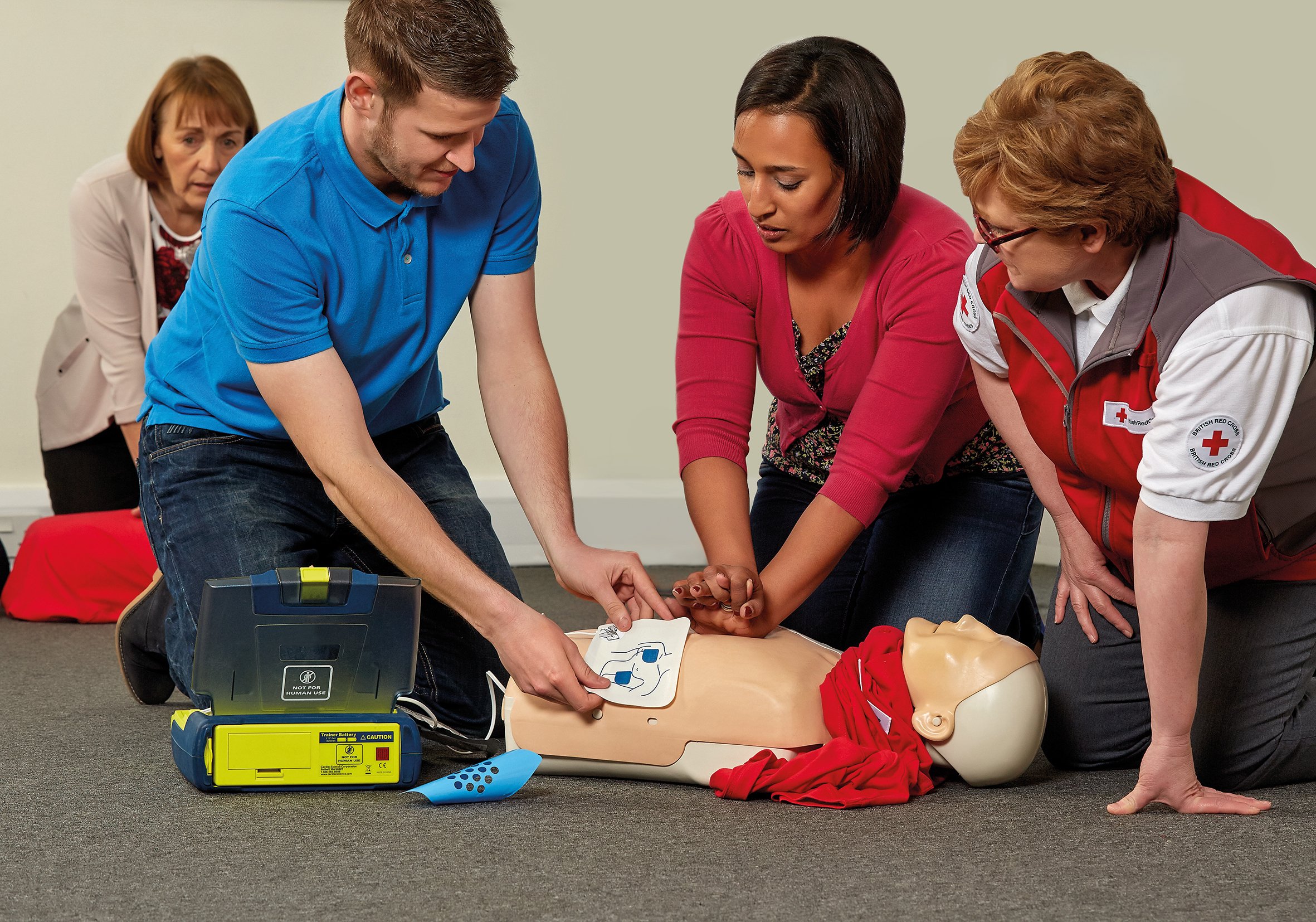
Rapid response teams are critical in healthcare settings, providing immediate intervention when patient conditions suddenly deteriorate. A rapid response nurse plays a key role, quickly assessing situations and delivering urgent care.
Our rapid response nurse jobs connect skilled professionals with facilities that need swift, competent support. The emergency response nurse ensures patient safety while coordinating with doctors and staff. Understanding the rapid response nurse role is essential for facilities and professionals alike.
Careful Hands Staffing helps place experts in high-pressure environments, ensuring patients receive timely, lifesaving care while supporting staff development.
(888) 4000-2424
Support@cfhstaffing.com
A rapid response team provides immediate intervention for patients experiencing sudden deterioration, ensuring timely assessment, treatment, and coordination with medical staff.
Emergencies like sudden cardiac events, respiratory distress, severe infections, or unexpected patient complications trigger rapid response activation for quick medical attention.
Yes, specialized clinical training, certifications, and experience in critical care or emergency settings are required for effective performance.
Calls are triggered by staff observing concerning changes in patient vital signs or clinical condition, signaling immediate assistance.
Yes, timely intervention can stabilize conditions, reduce complications, and often prevent transfers to intensive care or worsening outcomes.
Critical skills include assessment, quick decision-making, teamwork, clinical expertise, communication, and the ability to remain calm under pressure.
Teams usually include nurses, doctors, respiratory therapists, and other skilled professionals trained to manage emergencies and critical patient situations.
These teams respond immediately, often within minutes, to stabilize patients, assess conditions, and provide life-saving interventions.
Rapid response nurses assess patients, provide urgent care, coordinate with physicians, and ensure critical interventions are administered effectively.
Most hospitals maintain rapid response teams to enhance patient safety, though the structure and availability may vary by facility.
Teams are staffed with trained professionals available on-call or scheduled, ensuring coverage for emergencies around the clock.
Rapid response teams improve patient outcomes, enhance safety, support staff, reduce complications, and provide organized emergency care efficiently.