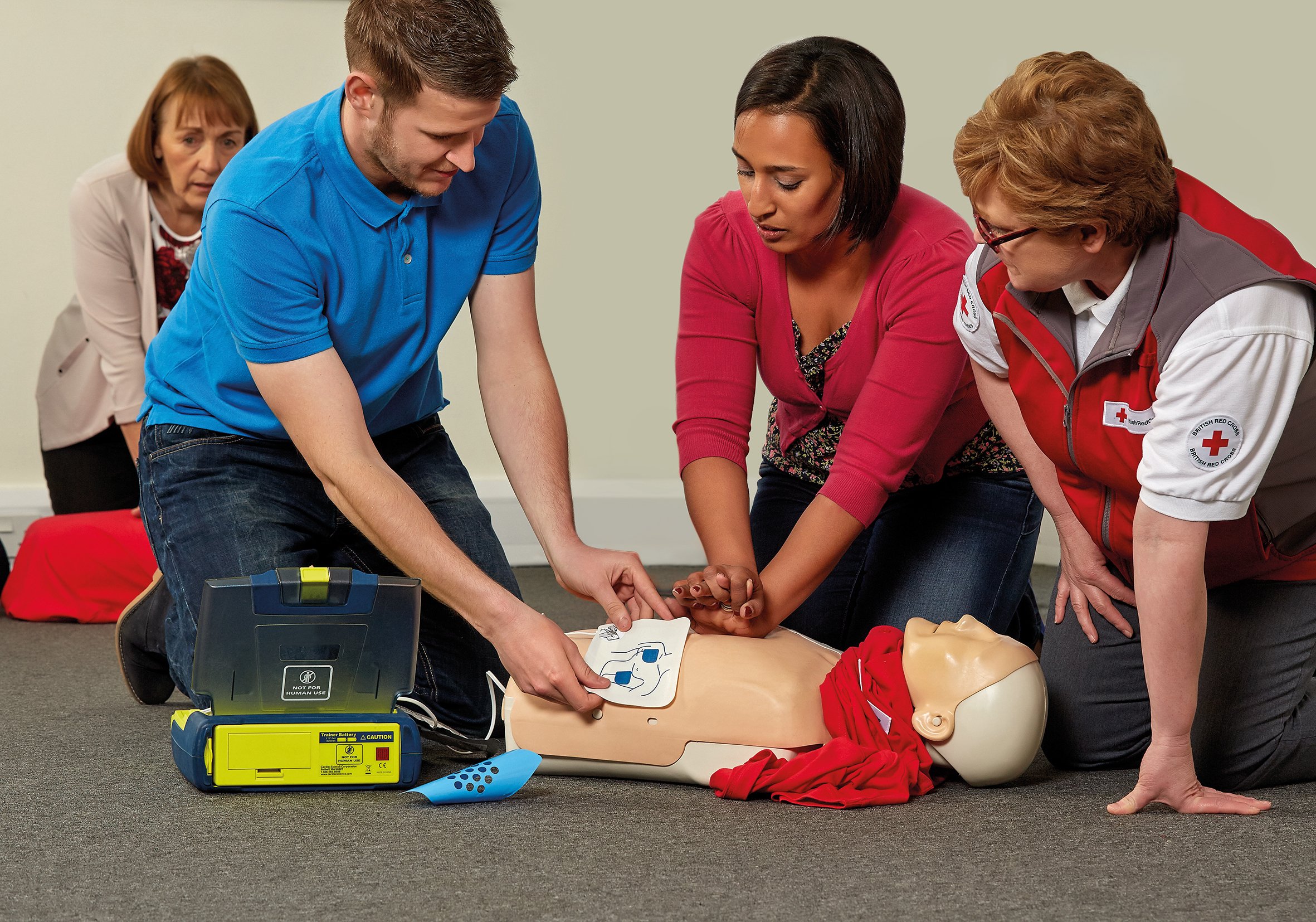
ER Nurses provide critical care in fast-paced, high-pressure environments. They assess emergencies, stabilize patients, administer medications, and coordinate with physicians and support staff.
Their ability to act quickly saves lives while ensuring patients receive accurate, immediate care. At Careful Hands, we connect skilled ER Nurses with hospitals and urgent care facilities that need dependable, experienced professionals.
Our approach ensures facilities maintain consistent staffing, while nurses gain rewarding roles, professional growth, and support in high-stakes healthcare settings. Every placement prioritizes safety, efficiency, and compassionate patient care.
(888) 4000-2424
Support@cfhstaffing.com
An ER Nurse quickly assesses patients, provides immediate care, administers treatments, monitors vital signs, coordinates with doctors, and ensures safety in urgent situations.
Training requires completing nursing education, licensure, and clinical rotations in emergency care, preparing nurses to handle high-pressure, fast-paced healthcare environments effectively.
Yes, they often work nights, weekends, and holidays, as emergency care requires round-the-clock staffing and rapid response to critical patient needs.
ER Nurses care for patients with trauma, illness, accidents, cardiac events, respiratory emergencies, or other urgent medical conditions requiring immediate attention.
The role requires stamina, resilience, critical thinking, rapid action, and emotional composure while managing high-pressure, unpredictable, and urgent patient scenarios.
Yes, they offer reassurance, guidance, and empathy, helping patients and families navigate stressful, frightening, or traumatic medical situations calmly and safely.
ER Nurses work in hospital emergency departments, urgent care centers, trauma units, and sometimes in disaster response teams, handling acute medical cases.
Quick decision-making, composure, communication, adaptability, empathy, and attention to detail are essential for safe, effective patient care in emergency situations.
Yes, they may specialize in trauma, pediatric emergencies, cardiac care, critical care, or disaster response for focused professional expertise.
Yes, ER Nurses safely administer medications, monitor reactions, document care accurately, and communicate with physicians about any patient concerns promptly.
Teamwork is critical; ER Nurses collaborate with physicians, technicians, and support staff to deliver coordinated, fast, and effective emergency patient care.
ER Nurses save lives, stabilize patients, support families, and contribute to high-quality, compassionate, and immediate care every single shift.